

How to Choose Your Wedding Videographer:

10 Questions Every Couple Should Ask
Aaron Justin Films · Wedding Planning Tips
There is a moment, quiet, fleeting, and absolutely irreplaceable, that happens at almost every New England wedding. Maybe it's the way the afternoon light filters through the maple trees at your White Mountain barn venue in October. Maybe it's your grandmother reaching for your hand just before the ceremony begins, or the way your partner's voice cracks on the second line of their vows.v
Your photographer will capture a frame of it. Your videographer will capture everything else, the breath before it, the sound of it, the seconds that follow. That difference is why choosing the right wedding videographer matters more than most couples realize until long after the wedding day is over.
After filming weddings across all of New England, from the top of Maine to the southern most tip of Connecticut, I've sat across from hundreds of couples at our first consultation. The ones who feel most confident walking in came prepared with the right questions.

Here are the ten questions I'd want every couple to ask — including me.
A good videographer isn't just technically skilled. They're someone you trust to be invisible in the moments that matter and present for the ones you'll want to relive. |
1. What is your filming style, and can I see full wedding films and highlights, not just social reels?
This is the single most important question, and the answer will tell you almost everything you need to know. Socila media reels are the trailer; polished, set to music, designed to impress. But a full wedding film, even a longer highlight film 10-12 minutes iscan tell the whole story, and it's where a videographer's true style reveals itself.

New England weddings have distinct personalities. A candlelit winter ceremony at a historic Newport mansion calls for a very different touch than a summer celebration on the Maine coast. Ask to see films from similar settings. Look for how the videographer handles quiet moments like the toasts, the first look, and the last dance when the crowd has thinned.
What to listen for: Can they articulate their style clearly? Do words like 'cinematic,' 'documentary,' or 'editorial' actually match what you see on screen? Many times terms like these are used for clickbait rather than to show the true style of the videographer.
2. Have you filmed at my venue before — and if not, how do you prepare for a new space?
New England is full of venues that present real filming challenges: the stunning-but-dark stone interiors of Newport mansions, the low ceilings of colonial inn ballrooms, the unpredictable outdoor light at vineyard ceremonies. Having experience at your specific venue is a genuine advantage.
But a great videographer who hasn't filmed there before isn't disqualified — they should, however, have a clear answer about how they prepare. Do they do a venue walk-through? Do they research the sun's position for your ceremony time? Do they have relationships with the venue coordinator?
What to listen for: Genuine curiosity about your venue. Specific questions about its layout, lighting, and logistical challenges.
3. How do you handle New England weather?
This is not a generic question, this is a New England necessity. If you're planning an outdoor ceremony or reception between April and November, you need to know your videographer has a plan for the unexpected.
We've filmed on the hottest days of the summer, through surprise thunderstorms, chased the last fifteen minutes of golden light after the 4:30pm ceremony in late October. A skilled videographer doesn't just cope with it, they use it. Rain-soaked stone paths and fog over a New Hampshire lake can be breathtaking on film.
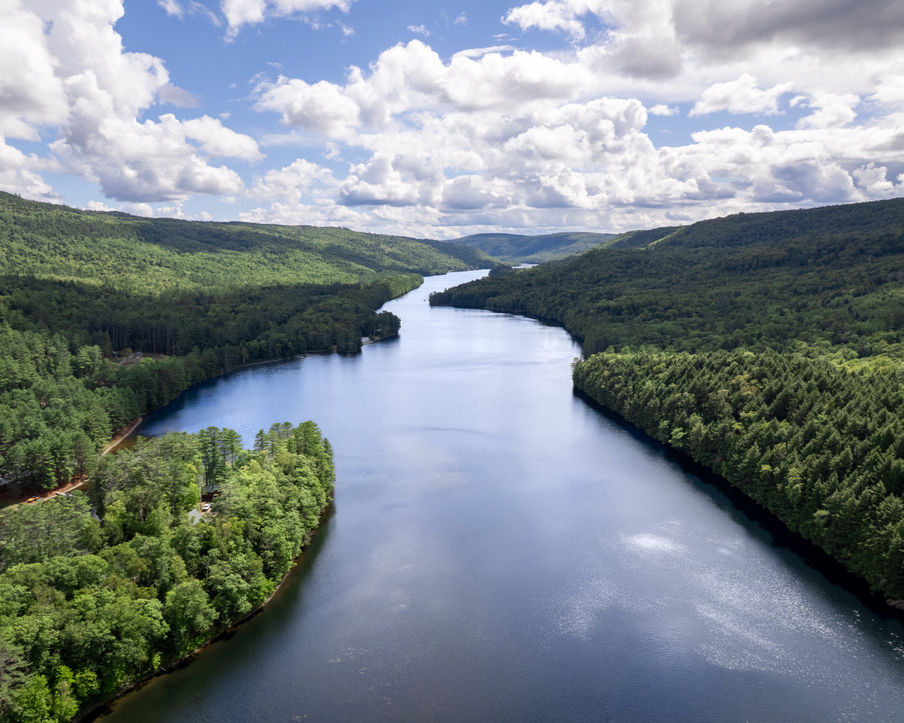
What to listen for: Specific examples of filming in challenging conditions. Confidence without bluster. Bonus: ask to see rain-day footage specifically.
Some of the most cinematic footage we've ever captured came from a rainy days. Weather isn't the enemy of a great wedding film, poor preparation is. |
4. What do your packages include?
Wedding videography pricing varies enormously, and packages are often structured in ways that obscure the real cost. Get specific about deliverables.
How long is the highlight film? (Typical: 4–8 minutes)
Is a full ceremony film included?
Is speech/toast footage captured and delivered separately?
Is a second shooter included?
What is the turnaround time for delivery?
How are the final files delivered — download, USB, streaming link?
What to listen for: Transparency and specificity. Be wary of packages that list "edited footage" without clarifying what that means in practice.
5. Who will actually be filming on our wedding day?
In larger videography studios, the person you meet in the consultation is sometimes not the person holding the camera on your wedding day. This matters. You're hiring a specific creative eye, a specific personality, a specific person to trust with some of the most intimate moments of your life.
Ask directly: will you, personally, be the lead videographer on our day? If additional shooters are involved, ask to see their work specifically, not a combined studio reel.
What to listen for: A direct, honest answer — and the ability to introduce you to any additional team members before booking.
6. How do you work with the photographer day-of?
The relationship between your videographer and photographer on your wedding day is one of the most underestimated factors in how smoothly things run. A great creative partnership means they work around each other seamlessly, share lighting setups, and collaborate on portrait timing without the couple ever feeling the tension of two competing visions.
If you're still choosing your photographer, ask your videographer if they have preferred partners they've built strong working relationships with. Many of the best New England wedding days are built around teams who've shot together dozens of times.
What to listen for: Genuine enthusiasm about collaboration. Specific names or examples of photographers they love working with.
7. What is your audio setup — and how do you handle outdoor New England ceremonies?
Audio is the element couples most commonly overlook and most regret overlooking. A beautiful image of your vow exchange means nothing if the words are swallowed by ocean wind at your coastal Rhode Island ceremony or the ambient noise of a busy Beacon Hill street.

Ask specifically about wireless lapel microphones for the officiant and/or groom and even the bride if you so choose. Ask how they handle ambient crowd noise, and what their backup plan is if a mic fails. Wind is a particular challenge at outdoor New England venues so ask if they use any wind protection on their microphones.
What to listen for: A detailed, specific answer about audio equipment and redundancy. This question separates experienced professionals from hobbyists immediately.
Ask to hear the audio quality in their full ceremony films, not just the highlight reel. The reel has music layered over everything — the ceremony film is where you'll hear exactly what their mics captured. |
8. What is your backup equipment policy?
Equipment fails. Cards corrupt. Batteries die. This is not a hypothetical, it happens, and your wedding is not the day to find out your videographer has no plan B.
Every professional wedding videographer should carry redundant gear: backup cameras, duplicate cards, spare batteries, and a clear protocol for technical emergencies. The answer to this question should be rehearsed, because they should have thought through every scenario.
What to listen for: Specific, confident answers. Any hesitation or vagueness here is a genuine red flag.
9. What is your contract, cancellation, and weather/emergency policy?
This is not an awkward question, it's a necessary one. A professional videographer will have a clearly written contract that covers deliverables, timelines, payment schedules, and contingency plans. Read it carefully before signing.
Pay specific attention to: what happens if they become seriously ill or have a family emergency on your wedding day. Do they have a network of trusted colleagues who could step in? New England's wedding community is tight-knit, and the best vendors know each other — your videographer should have a professional backup plan, not just good intentions.
What to listen for: A written backup protocol, not just a verbal reassurance. And a contract that protects both parties clearly.
10. Do we feel genuinely comfortable with you as a person?
This last question isn't something you ask them, it's something you ask yourself, honestly, after the consultation is over.

Your videographer will spend six to twelve hours with you on one of the most emotional days of your life. They'll be in the room when you see yourself in the mirror for the first time in your dress. They'll be close enough to hear the words you say to each other during your first dance. They'll be the quiet presence in the corner during your father's toast.
Technical skill matters enormously. Experience matters just s much. But so does this: do they make you feel relaxed? Do they seem genuinely interested in your story, not just your venue and timeline? Do you trust them?
The best wedding films I've ever made didn't come from the most technically perfect days. They came from the couples who trusted us completely — and let us capture the version of their day that was entirely, beautifully theirs.
Ready to have that first conversation?
At Aaron Justin Films, every client relationship starts with a relaxed, no-pressure consultation, in person, over coffee, or over video call, whatever works best for you. We'd love to hear your story and talk about how we can help you keep it forever.
Get in touch at aaronjustinfilms.com/contact
— Aaron
